

How Self-Optimisation Culture Created The Manosphere
we need to talk about one of the biggest reasons teenage boys are so susceptible to this content.

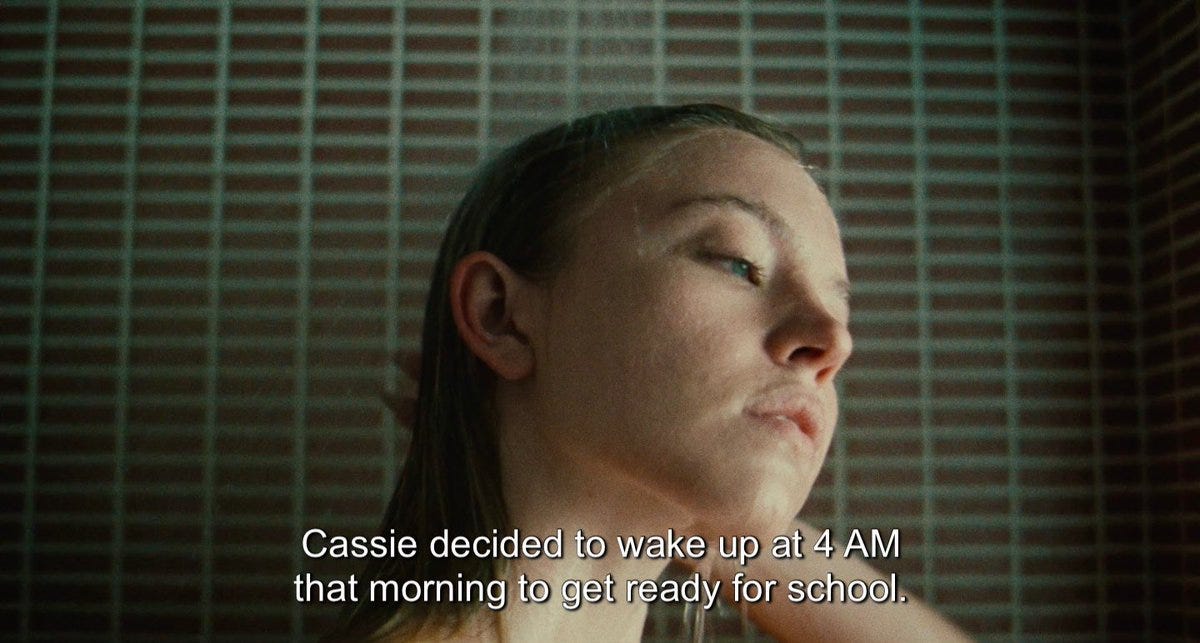
The manosphere is absurd. It’s insane. It’s shocking. That’s what I’ve heard from almost everyone who watched Louis Theroux’s recent documentary. Of course, I find it abhorrent and terrifying. But it doesn’t necessarily surprise me. That’s because the manosphere’s guiding principle is one that many of us have come to rely on to think about the way we live: self-optimisation.
Given that the premise of my newsletter is to unpack that very concept, this might feel like an attempt to offer a hot take on a trending topic. But I can assure you it’s not. In fact, every time I see one of the various viral clips of topless men pushing their get-rich-quick schemes and misogynistic worldviews, it dawns on me just how much their traction hinges on the fact that we’ve all become so desensitised to self-optimisation culture.
Granted, wearing a health tracker, attempting to monetise your hobby or planning your free time in your notes app doesn’t feel all that similar to one-way monogamy, looksmaxxing and describing your girlfriend as your ‘dishwasher’. But at the crux of what manosphere influencers teach is that it is imperative to become the best version of yourself. To be a man, you must optimise, is their message. Although, thankfully, most people are guided by better ethics, so many of us also subscribe to the idea that improving ourselves – our health, our brains, our morning routines – is an essential part of being human.
To really understand why the manosphere has been so successful at engaging boys, I don’t think that we should simply be challenging the ideologies they’re promoting. That’s part of it, of course, and it feels increasingly pressing. But we also need to come to terms with what it means that teenagers are seeking out self-optimisation content so desperately.
I’m not the first person to point out that the manosphere’s philosophy is familiar. Journalist Magdalene Taylor recently wrote a story for Playboy arguing that the principles behind the manosphere manifesto isn’t all that different to the 2010s GirlBoss handbook:
The ideas that fueled this misguided era of feminism—that financial achievement is a fundamental marker of success, that hustle culture and individual empowerment are the goal, rather than collective liberation— persist. Only now it’s the Manosphere carrying that torch.
We like to think we’ve moved past toxic GirlBoss culture, which encouraged a relentless dedication to work, money and success. We moved on to something that seemed, at the time, far more worthwhile: a dedication to improving our entire selves (something I explored more in my newsletter on the link between self-optimisation culture and the rise of tradwives). But the GirlBoss didn’t die, nor did she really learn to love herself. She multiplied and spread herself across every area of our lives: she’s That Girl, she’s the peak of your winter arc, she’s putting together your beauty maintenance routine.
Now, the urge to self-optimise comes naturally to so many of us, that it’s quietly seeped into the way young people think about themselves.
I’m not suggesting that the urge to improve yourself as a teenager is unique to Gen Alpha (and some younger members of Gen-Z). I was once a teenager who spent my evenings scrolling photos of very thin women on Tumblr, and believed that plucking my eyebrows would change my life. But for better or worse, teenager’s inclinations towards self-improvement have historically been rooted in vanity.
Now, it goes much deeper. Teens feel pressure to enhance not just their appearance, but their entire selves. And they’re ready to commit to labour intensive processes of working on themselves to get there. Girls as young as 10 are following anti-aging skincare routines. By 14, they’re sharing their pre-school productivity routines. And apparently sixteen year olds are looking for side hustles (which is, confusingly, supposed to be a way to make money alongside a full-time job). And who can blame them? They’re only mirroring the way the adults in their world and on their screens live.
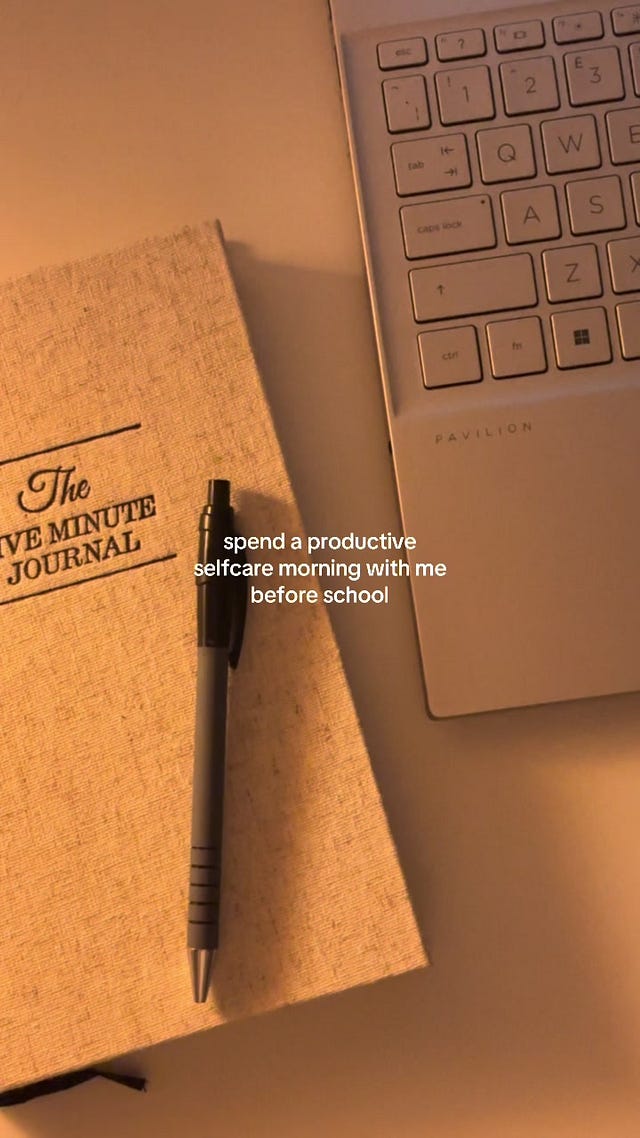
 Tiktok failed to load.
Enable 3rd party cookies or use another browser
In this respect, we’re providing the ideal conditions for the manosphere to thrive. Because teenage boys already believe that humans are operating machines and it’s our jobs to upgrade our own software in order to survive. Of course, they’re susceptible to men on the internet selling them simple ways to do that, with the promise of becoming rich, successful and whole. In October 2025, The Guardian interviewed boys who were engaging with the manosphere one of the interviewees told the reporter: “You felt like you were improving – becoming a better person – by watching the content passively.”
The conviction that self-optimisation is essential to become a real adult, a real human, is what’s driving their interest in figures like Andrew Tate, who are ostensibly providing solutions to what feels like a mammoth undertaking. And given that all the media they consume and most of the people in their lives seem to subscribe to that idea too, why would they listen when we tell them otherwise?
This is why the success of the manosphere is so deeply sad. It’s not just that misogyny is on the rise amongst young people, and years of feminist work is being undone. It’s that teenagers see themselves as unfinished projects. They believe – with a sincerity you can only possess as an adolescent – that they must strive to be more in order to be human.
The only way we can convince them otherwise is to lead by example, to show them that striving for happiness is more important than striving for efficiency. Because it’s all well and good to tell them they’re perfect as they are and don’t need to do anything to change themselves, but the advice might fall flat coming from someone whose sense of peace is derived from the daily score that the tiny computer on their wrist gives them each morning.
Thanks so much for reading. I’d be really interested to hear your thoughts on this in the comments. If you enjoyed this post, please do subscribe to How To Be Less and share the newsletter with someone else who you think might like it.
Hadn't thought about it this way but you're totally right. Made me think about Nazi propaganda around self improvement, which started with promoting healthy diets, exercise, and non-smoking, and ended with eliminating anyone 'unhealthy', i.e disabled or non white.
'striving for happiness is more important than striving for efficiency' is such an important message that is missing from most people's for you page. i wish we could share it more broadly, that happiness comes from within. when we optimise and say 'i'll be happy when i achieve xyz milestone' it never works... such a great piece! thank you for sharing.